
Choosing the right siding for your home can feel overwhelming. You want something strong. Something beautiful. Something that adds value. But when it comes to natural stone siding vs. manufactured stone, the decision isn’t always simple. Both look great. Both offer durability. But they perform differently, cost differently, and age differently.
Let’s break it down clearly so you can choose with confidence.
What Is Natural Stone Siding?
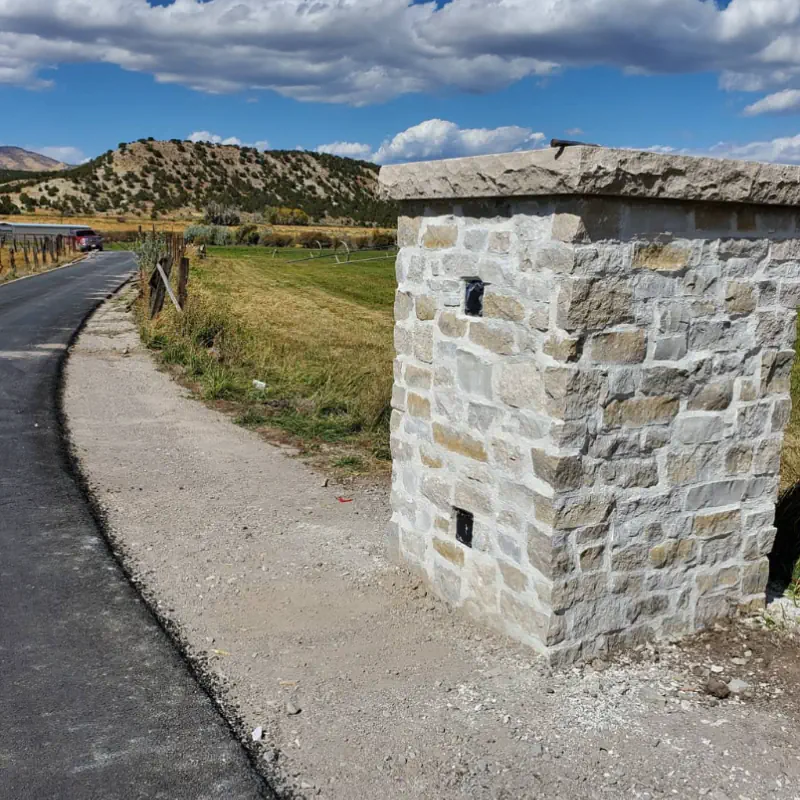
Natural stone siding is exactly what it sounds like; real stone cut from the earth and shaped for building use. Common options include granite, limestone, slate, and fieldstone. Every piece is unique because it’s formed by nature over thousands of years.
Homeowners love natural stone for its authenticity. There’s a depth and texture that simply can’t be replicated perfectly.
Benefits of Natural Stone Siding
Natural stone offers serious long-term advantages:
- Extreme durability – It can last 50–100+ years.
- Weather resistance – It stands up to wind, rain, snow, and heat.
- Low maintenance – Once installed, it requires very little upkeep.
- High resale value – Buyers recognize and appreciate real stone.
Because it’s solid rock, it won’t fade easily. It won’t warp. It doesn’t attract pests. It’s one of the strongest exterior materials available.
Drawbacks of Natural Stone Siding
Here’s where reality sets in:
- Higher cost – Materials and labor are expensive.
- Heavy weight – Your home may need structural reinforcement.
- Longer installation time – Skilled masons are required.
Natural stone is not a quick or budget-friendly install. But for homeowners who want permanence and prestige, it’s hard to beat.
What Is Manufactured Stone Veneer?
Manufactured stone, also called stone veneer or cultured stone, is made from concrete and lightweight aggregates. It’s molded and colored to look like natural stone.
Modern manufacturing has improved dramatically. From a distance and sometimes even up close, it can be difficult to tell the difference.
Manufactured stone is designed to give homeowners the look of real stone at a lower price and with easier installation.
Benefits of Manufactured Stone
This option is popular for several reasons:
- Lower cost – Typically 30–50% less than natural stone.
- Lightweight – No structural reinforcement needed.
- Easier installation – Faster and less labor-intensive.
- Consistent appearance – Uniform color and sizing.
Because it’s lighter, it works well for remodeling projects. It can be installed over existing surfaces with proper preparation. That makes it attractive for homeowners upgrading their exterior without major reconstruction.
Drawbacks of Manufactured Stone
Manufactured stone is durable—but not invincible.
Shorter lifespan – Usually 20–50 years.
Moisture sensitivity – Improper installation can cause water issues.
Color fading – Over time, pigments may fade slightly.
The key here is installation quality. If moisture barriers and flashing aren’t done correctly, problems can develop. That’s why professional installation matters.
Key Differences That Help You Decide
Now let’s compare these materials side by side in practical terms.
- Cost
If budget is a primary concern, manufactured stone wins. Natural stone is premium. Manufactured stone is cost-effective.
However, natural stone can offer a higher return on investment due to its longevity and resale value.
- Weight and Structure
Natural stone is heavy. Very heavy. Some homes require reinforced foundations or additional framing to support it.
Manufactured stone is much lighter. That makes it ideal for accent walls, fireplaces, and exterior upgrades without structural changes.
- Appearance
This is personal preference