
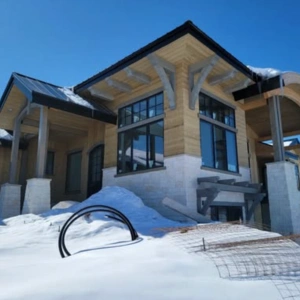
Utah is known for big skies, dramatic seasons, and fast-changing weather. Those same beautiful conditions can be rough on your home’s exterior, especially stucco. Stucco is a durable, popular finish across Utah because it looks clean, modern, and performs well in dry climates. But durability doesn’t mean indestructible. When stucco is exposed to temperature swings, moisture, UV rays, and freeze-thaw cycles year after year, it starts to show wear.
The good news? Most weather-related stucco problems are preventable with smart installation, routine care, and early maintenance. Let’s break down exactly how Utah’s weather impacts stucco and what you can do to keep your exterior looking sharp and performing strong for the long haul.
Freeze-Thaw Cycles and Cold Winters
Utah winters are no joke. Cold temperatures, snow, and ice bring one of the biggest threats to stucco: freeze–thaw damage. Stucco is a porous material, which means it can absorb small amounts of moisture. When that moisture freezes, it expands. When it thaws, it contracts. Repeat that cycle dozens of times every winter, and you get stress on the surface of your stucco.
Over time, this stress can cause hairline cracks to form. Those tiny cracks let in even more moisture, which accelerates the damage. Left alone, small cracks can turn into larger fractures, delamination (where stucco pulls away from the wall), and even hidden moisture problems behind the exterior.
How Moisture Sneaks In
Moisture doesn’t just come from snow sitting on your walls. Wind-driven rain, melting snow on ledges, and ice dams along rooflines can all direct water toward stucco surfaces. Poor drainage around the foundation can also cause moisture to wick upward into lower sections of stucco. Once water gets behind the stucco layer, it can impact the sheathing and framing beneath, leading to rot, mold, and costly structural repairs.
What homeowners can do:
- Inspect stucco every spring for new cracks or chips after winter.
- Seal small cracks early with proper stucco patching products.
- Keep gutters and downspouts clear so melting snow is directed away from walls.
- Make sure soil slopes away from the foundation to reduce moisture buildup.
Summer Heat, UV Exposure, and Dry Air
Utah summers bring intense sun, high UV exposure, and very dry air especially along the Wasatch Front and in southern parts of the state. While stucco handles dry climates better than many other siding materials, constant sun and heat still take a toll.
UV rays slowly break down the surface of stucco and fade its color. Over time, the finish can become chalky or brittle. Extreme heat also causes materials to expand. When temperatures cool at night, they contract. This daily expansion and contraction puts stress on the stucco surface and the layers beneath it, increasing the risk of cracking.
Another issue with Utah’s dry air is that it can cause stucco to dry out too quickly after minor repairs or patching. When stucco cures too fast, it may not bond as well or reach full strength, which shortens its lifespan.
What homeowners can do:
- Use high-quality, UV-resistant paint or coatings designed for stucco.
- Recoat or repaint stucco every several years to protect against sun damage.
- Schedule repairs during moderate weather when possible, not during extreme heat.
- Work with contractors who understand proper curing methods for Utah’s dry climate.
Wind, Rain, and Sudden Storms
Utah’s weather doesn’t just shift by season. It can change by the hour. High winds, sudden thunderstorms, and blowing dust are common in many regions. Wind-driven rain is especially hard on stucco because it pushes moisture into tiny imperfections that normal rainfall might not penetrate.
Strong winds can also carry debris like sand and dirt that slowly erode the surface of stucco over time. This erosion might not be obvious right away, but years of exposure can wear down protective coatings and expose the underlying material.
The Role of Proper Installation and Drainage
Many stucco problems blamed on weather actually start with installation issues. Without proper flashing, weep screeds, control joints, and drainage planes, stucco systems can trap moisture instead of shedding it. Utah’s storms then turn small construction oversights into major water intrusion problems.
Homes with poor roof overhangs or minimal drip edges are especially vulnerable because more water runs directly down stucco walls during storms. Over time, this constant wetting and drying weakens the system.
What homeowners can do:
- Check that flashing around windows, doors, and rooflines is intact and properly sealed.
- Ensure your home has functioning weep screeds to allow moisture to drain out.
- Trim landscaping away from stucco walls to prevent trapped moisture and splashing.
- After heavy storms, do a quick visual check for new stains, bubbling, or cracks.
Practical Maintenance Tips for Utah Homeowners
Weather is unavoidable, but damage doesn’t have to be. The key is consistency. Small efforts done regularly will protect your stucco far better than waiting for obvious problems to show up.
Here’s a simple, homeowner-friendly maintenance routine:
- Annual inspection: Walk your home once a year and look for cracks, discoloration, or soft spots.
- Prompt repairs: Fix minor issues quickly before water gets behind the stucco.
- Professional checkups: Schedule periodic professional inspections, especially for older homes.
- Protective coatings: Use breathable, weather-resistant coatings that allow moisture to escape while blocking water intrusion.
- Smart upgrades: If you’re remodeling or repairing, upgrade to modern stucco systems with improved moisture barriers and drainage.
Why Proactive Care Saves You Money
Stucco damage rarely starts as a big, obvious problem. It usually begins with tiny cracks, small gaps around windows, or subtle color changes. Ignoring these early warning signs can lead to hidden moisture damage inside your walls. That’s where repair costs skyrocket because now you’re not just fixing stucco, you’re dealing with framing, insulation, and potential mold issues.
By staying ahead of Utah’s harsh weather effects, you protect more than just your home’s appearance. You protect its structure, energy efficiency, and long-term value. Well-maintained stucco also boosts curb appeal, which matters if you ever plan to sell.
The Bottom Line
Utah’s climate is tough on stucco, but it doesn’t have to shorten the life of your exterior. Cold winters, hot summers, and sudden storms all place unique stress on stucco surfaces. The difference between a home that ages gracefully and one that develops costly issues comes down to awareness and action.
Pay attention to how the weather affects your home, address small problems early, and invest in proper installation and protective coatings. Do that, and your stucco exterior will stay strong, clean, and good-looking season after season.